SHIBUI TOSOGU
The Japanese concept of Shibui is a fascination of ultimate beauty. Honorable wear in normal care and use imparts an aura that is the ultimate in desirability. To experience a well preserved work of art that has seen honest wear and use (for which it was intended) and to be able to place it within a recognizable frame of reference is to me the ultimate in collecting.
| If you would like to know more about any items on this website, or if you are considering a purchase, please send Elliott an E-MAIL ( elliott@shibuiswords.com ), asking me any questions you have or what pieces interest you. |
| Or, if you would rather, you may call me (Elliott): |
|
HOME PHONE: 503-666-2342 or CELL PHONE: 503-754-8082 |
KODOGU
|
KOFUN or TOMB PERIOD |
NIHON-TO |
It has been determined that a great many sword guards were produced outside of Japan and imported by Portuguese, Dutch and Chinese merchant mariners, making it improper to label them Japanese. They were produced in places such as Thailand, Vietnam and China, where Japanese swords were highly prized, and often imitated. With correct study, one can easily notice the difference from Japanese copies. Therefore, let those known to be exports be identified as Asian Sword Guards. FAREWELL "NANBAN TSUBA"! |
KODOGU-DO Told by Robert E. Haynes in five parts. |
|
Shibui Swords & Tsuba Toshokan
Shibui Swords Primer of Japanese Art History |
AESTHETIC's DEFINED |
TSUBA ARTISAN SCHOOL CHARACTERISTICS |
|
Rear Admiral Edwin T. Layton's Notebook |
Robert & Elliott's 'Musings' |
|
|
|
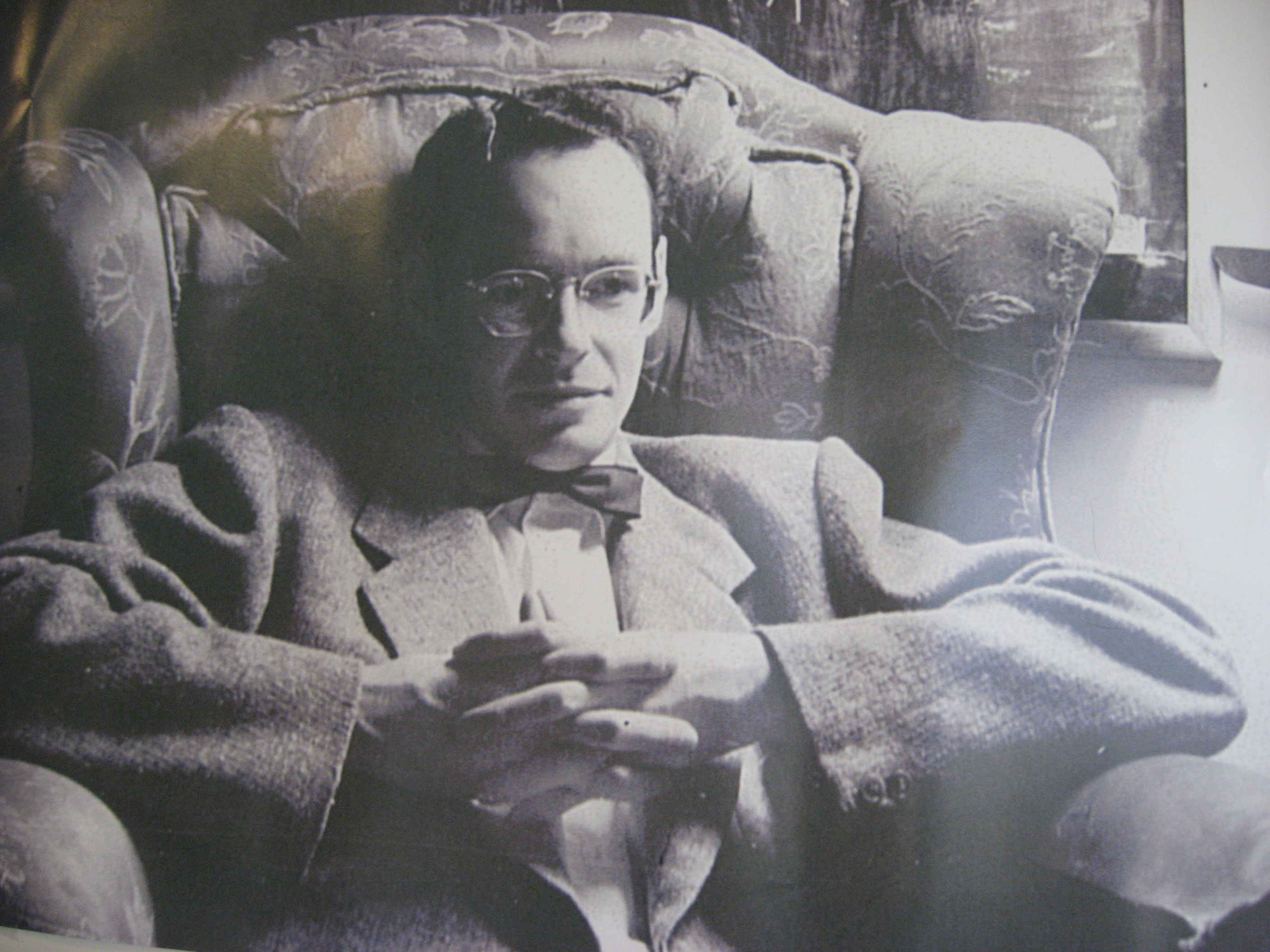
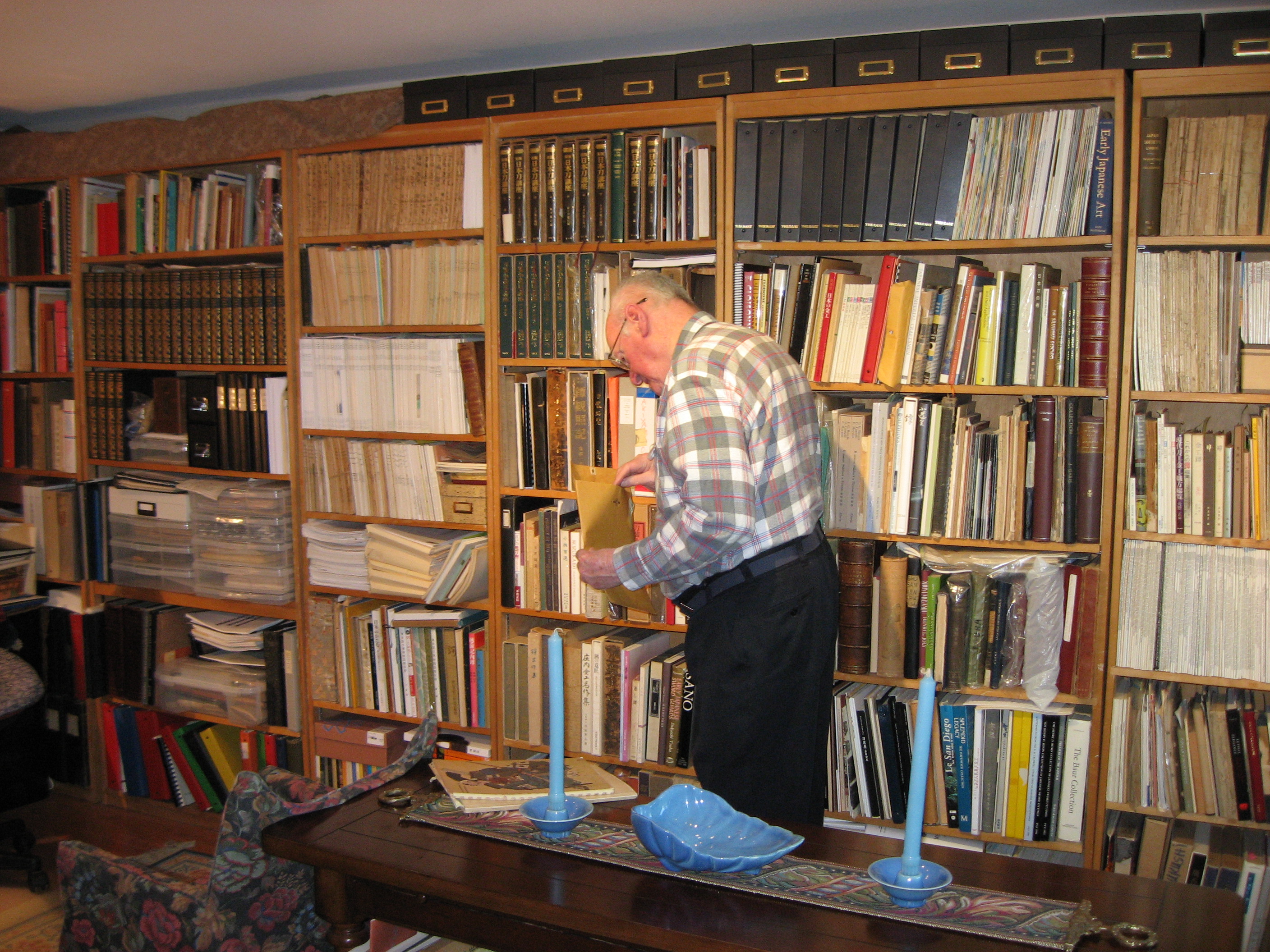
Robert E. (Eugene) Haynes was born October 28, 1930, in Los Angeles, Calif. The only child of Robert E. Haynes and Dorothy Holmes Haynes, both only children. At age 5 he was sent to Flintridge Prep. School near Pasadena, Calif. At age 7 he went to the Calif. Prep School at Ohai, Calif., to the age of 13. The family moved to Santa Cruz, Calif. and Robert then went to the Menlo School at Menlo, Calif. (near Stanford Univ.). At age 15 his father died and he moved with his mother to Pasadena, Calif., for one more year at Flintridge Prep., and his last year of high school at John Muir High School and Junior College in Pasadena. Since his father was both artist and engineer, he drew and designed from an early age. At age 16, in Pasadena, he became an art student, in oil painting and drawing, with Paul Coze. At age 15 (1945) he bought his first tsuba (Japanese sword guard), which began his interest in Japanese art over the next 70+ years. At age 20 he went to Korea and was with the 1st Field Artillery Observation Battalion, for a year. He had five days R & R from Korea, and went to Kyoto, where he bought many sword fittings and other Japanese art. To end his army time he was sent to Desert Rock, Las Vegas, for atomic tests, and saw 8 atomic bombs tested. |
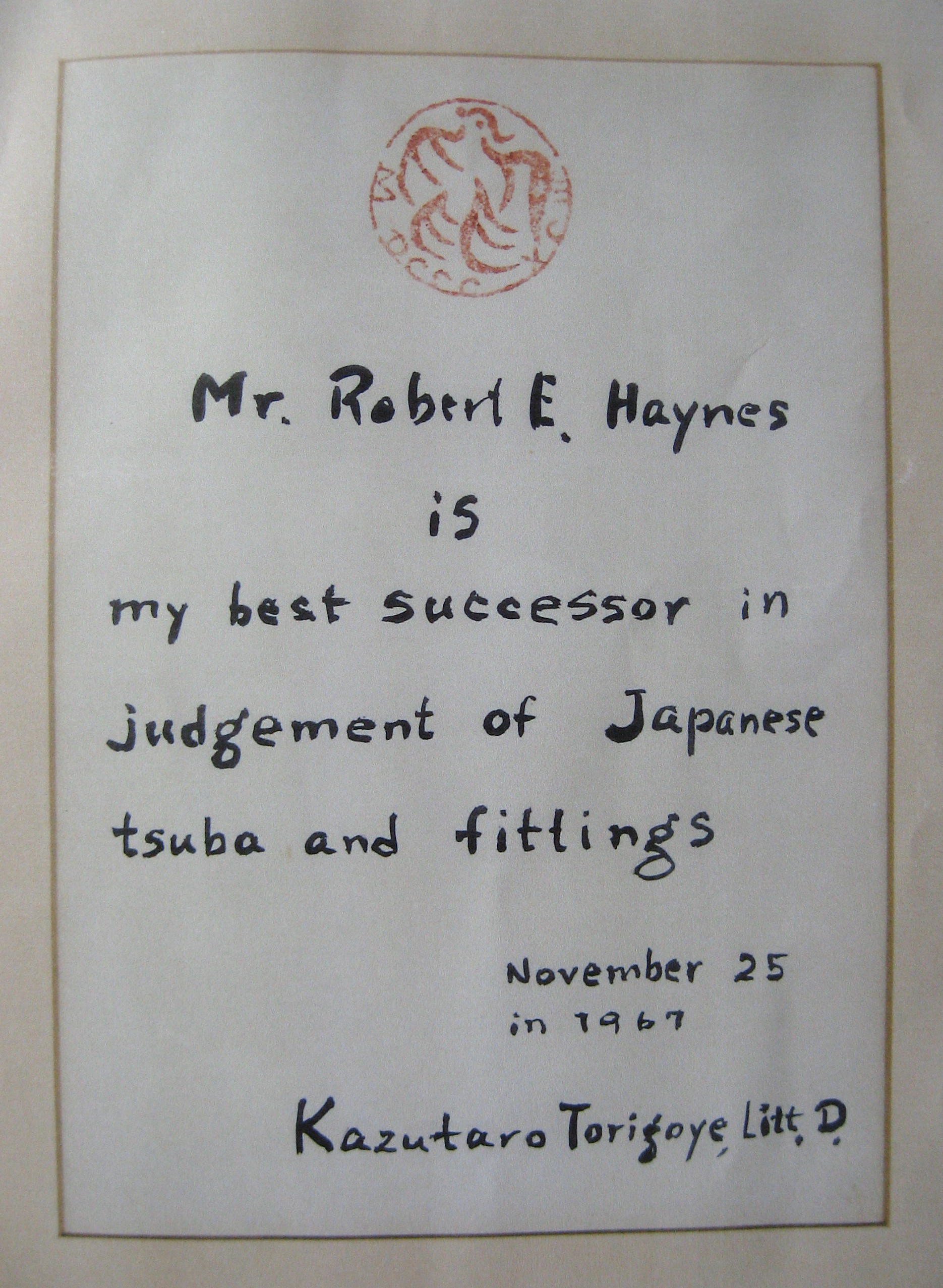 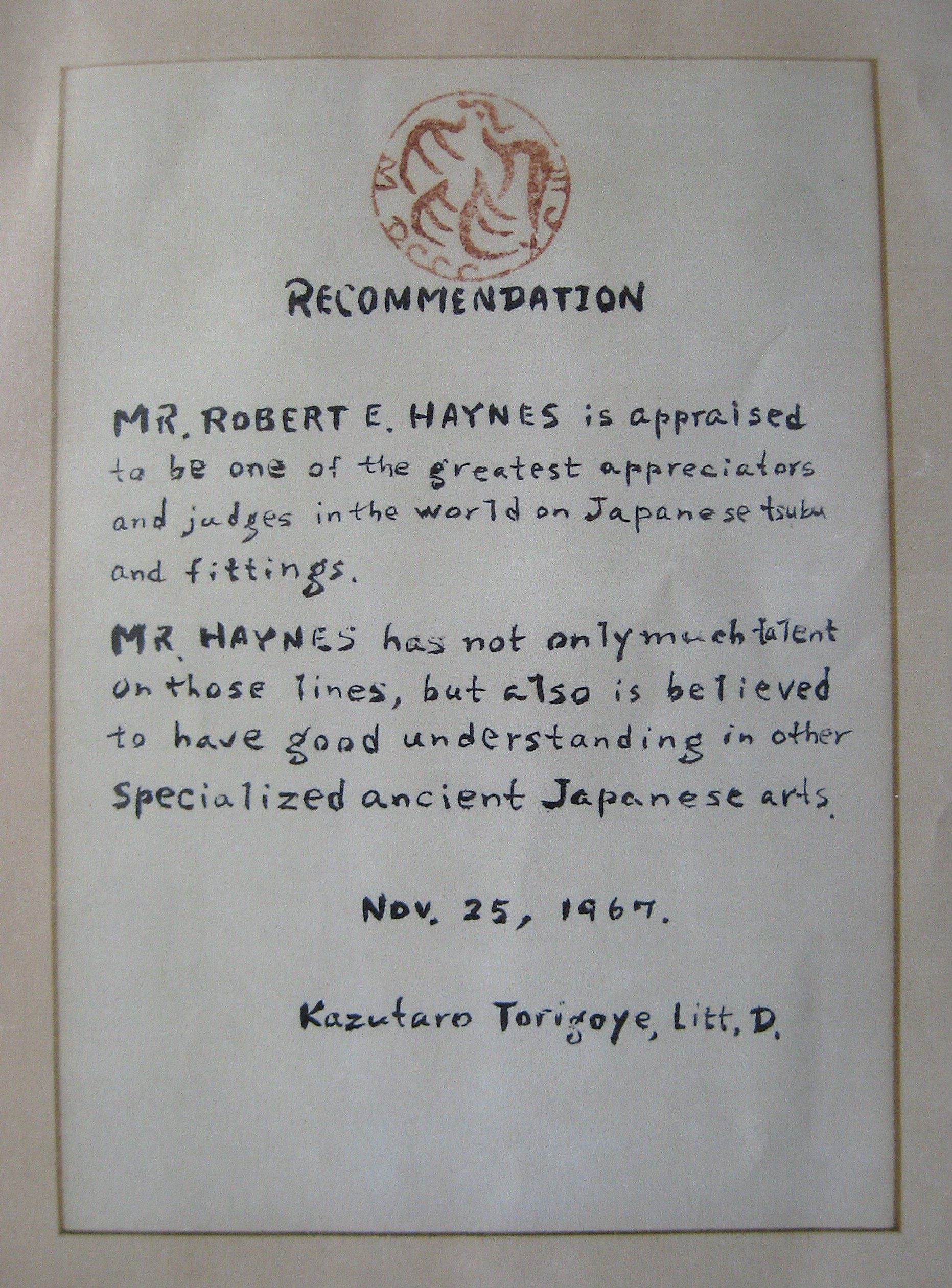 |
Robert E. Haynes was presented both this diploma upon completion of his studies with Dr. Torigoye and this certificate of recommendation by Dr. Torigoye. |
|
Shibui Swords Bijutsu Gakko and Study Guide Articles, papers, essay's and descriptions of Nihon-to, Tsuba, and other subjects are included in the Study Guide along with other educational web-sites. Study, as I have, the great Unifier's of Japan. History of Japan, prior to 1900 Pre 1900 Kamakura Japan |
"It is with both pride and humility, my fond hope that this web-site may prove as stimulating to the viewer as it's production was to me, especially when I studied the multiform landscape of an ancient culture and the often tragic but brave attempts of its subjects to cope with the demands of a harsh reality. Confronted as we are today with social and political turbulence, living under the moment-to-moment threat of catastrophe, all studies of man's experience in the art of violent confrontation have acquired a particular relevancy. Almost everyone seems to agree that we must attempt to determine whether man will be forever trapped by his apparently constitutional inclination to employ any method, however lethal, to ensure his dominance over his fellow man, or whether he may be capable of ritualizing and then ultimately, transforming that pattern. In this endeavor, thoughtful studies of man's past, with all its pitfalls and bloody errors, may prove to be a necessary and valuable factor in the final equation.".
How to Order or Receive More Information
| If you would like to know more about any items on this website, or if you are considering a purchase, please send Elliott and Robert an E-MAIL ( elliott@shibuiswords.com ), asking us any questions you have or what pieces interest you. |
| Or, if you would rather, you may call me (Elliott): |
|
HOME PHONE: 503-666-2342 or CELL PHONE: 503-754-8082 |